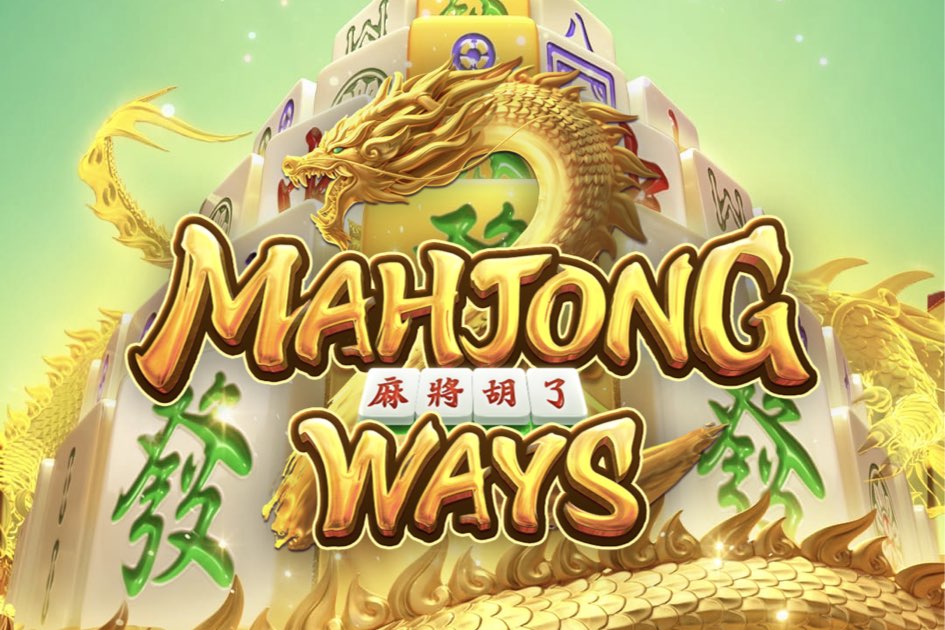
Dalam dunia hiburan digital yang semakin berkembang, permainan slot online menjadi salah satu pilihan yang banyak menarik perhatian karena menawarkan konsep bermain yang sederhana namun tetap menghadirkan pengalaman yang seru. Salah satu pilihan yang sering dibahas oleh para pemain adalah slot dengan nilai taruhan kecil seperti Slot Bet 200. Konsep ini memberikan kesempatan bagi pemain untuk menikmati berbagai fitur permainan tanpa harus menggunakan nominal taruhan yang besar.
Banyak orang mencari hiburan yang praktis dan mudah dimainkan, sehingga permainan dengan taruhan kecil menjadi alternatif menarik. Tidak heran jika pencarian seperti Permainan judi slot online paling seru hari ini semakin sering digunakan untuk menemukan berbagai pilihan permainan yang sedang populer dan memiliki tampilan menarik. Dengan banyaknya variasi game yang tersedia, pemain dapat memilih permainan sesuai dengan kenyamanan dan gaya bermain masing-masing.
Mengenal Konsep Slot Bet 200 yang Praktis Digunakan
Slot Bet 200 merupakan konsep permainan dengan nominal taruhan rendah yang dirancang untuk memberikan pengalaman bermain lebih fleksibel. Bagi sebagian pemain, memulai permainan dengan nilai kecil membuat suasana bermain terasa lebih santai karena tidak terlalu memberikan tekanan.
Keunggulan utama dari konsep ini adalah kemudahan dalam mencoba berbagai jenis permainan. Pemain dapat mengenal karakter sebuah game, memahami fitur yang tersedia, serta menikmati tampilan visual yang diberikan tanpa harus langsung memilih taruhan besar. Hal tersebut membuat slot bet 100 menjadi pilihan bagi banyak orang yang ingin mencari hiburan digital dengan cara sederhana.
Selain itu, permainan dengan taruhan kecil biasanya memiliki banyak variasi tema. Mulai dari tema klasik hingga konsep modern dengan efek visual yang lebih kreatif. Setiap permainan menawarkan pengalaman berbeda sehingga pemain memiliki banyak pilihan untuk menemukan game yang sesuai dengan selera.
Pilihan Hiburan Menarik Dalam Permainan Slot Online Modern
Perkembangan teknologi membuat permainan slot online mengalami banyak perubahan. Jika dahulu permainan hanya memiliki tampilan sederhana, kini banyak game hadir dengan desain interaktif, animasi menarik, dan fitur tambahan yang membuat pengalaman bermain semakin beragam.
Bagi pencari Permainan judi slot online paling seru hari ini, faktor hiburan menjadi salah satu pertimbangan utama. Pemain biasanya tidak hanya melihat tampilan permainan, tetapi juga memperhatikan konsep tema, kemudahan penggunaan, serta fitur yang membuat permainan terasa lebih menarik.
Slot dengan taruhan kecil tetap mampu menghadirkan keseruan karena daya tarik utama sebuah permainan tidak hanya bergantung pada nominal taruhan. Desain permainan, suasana, dan variasi fitur juga menjadi bagian penting yang membuat sebuah game memiliki nilai hiburan tersendiri.
Alasan Banyak Pemain Memilih Taruhan Kecil Untuk Bermain
Setiap pemain memiliki preferensi yang berbeda ketika menikmati permainan online. Sebagian orang lebih menyukai permainan dengan nominal kecil karena memberikan kesempatan untuk mencoba berbagai pilihan game. Dengan begitu, pemain dapat menemukan permainan favorit tanpa harus terburu-buru menentukan pilihan.
Taruhan kecil juga membuat pengalaman bermain terasa lebih santai. Pemain dapat menikmati alur permainan, mengenali simbol, serta memahami fitur bonus yang tersedia. Pendekatan seperti ini banyak dilakukan oleh pemain yang lebih mengutamakan hiburan dibandingkan sekadar mengikuti tren.
Selain itu, konsep taruhan kecil memberikan kebebasan untuk menjelajahi banyak jenis permainan. Saat ini tersedia berbagai pilihan slot dengan karakter berbeda, sehingga pemain dapat berpindah dari satu tema ke tema lainnya sesuai keinginan.
Memilih Permainan Slot Yang Sesuai Dengan Gaya Bermain Pribadi
Menentukan permainan yang tepat membutuhkan pertimbangan terhadap gaya bermain masing-masing. Ada pemain yang menyukai permainan dengan tampilan sederhana, sementara yang lain lebih tertarik dengan game yang memiliki banyak fitur dan animasi.
Ketika mencari Permainan judi slot online paling seru hari ini, sebaiknya pemain juga memperhatikan faktor kenyamanan. Permainan yang cocok bukan hanya yang sedang populer, tetapi juga yang memberikan pengalaman bermain sesuai dengan preferensi pribadi.
Beberapa pemain mungkin menikmati tema petualangan, sedangkan pemain lainnya lebih menyukai konsep klasik yang mudah dipahami. Dengan mengenali gaya bermain sendiri, proses memilih permainan akan menjadi lebih menyenangkan.
Tips Menikmati Slot Bet 200 Dengan Pengalaman Lebih Nyaman
Agar pengalaman bermain terasa lebih menarik, pemain dapat memulai dengan memahami aturan dasar permainan terlebih dahulu. Setiap game biasanya memiliki mekanisme dan fitur yang berbeda, sehingga mengenal cara kerja permainan menjadi langkah yang baik sebelum mulai menikmati hiburan.
Selain itu, memilih permainan dengan tampilan yang disukai juga dapat meningkatkan kenyamanan. Visual menarik, tema favorit, dan fitur yang mudah dipahami bisa membuat waktu bermain terasa lebih menyenangkan.
Penting juga untuk menjadikan permainan sebagai sarana hiburan. Dengan pendekatan yang santai dan bijak, pemain dapat menikmati berbagai pilihan permainan yang tersedia tanpa merasa terburu-buru.
Memilih Slot Bet 200 Sebagai Hiburan Digital Modern
Slot Bet 200 menjadi salah satu alternatif menarik bagi pemain yang ingin menikmati permainan slot online dengan konsep taruhan kecil. Kemudahan penggunaan, variasi tema, serta banyaknya pilihan permainan membuat konsep ini semakin diminati.
Di tengah banyaknya pilihan game yang tersedia, pencarian Permainan judi slot online paling seru hari ini dapat menjadi referensi untuk menemukan permainan yang sedang banyak diminati. Namun, pilihan terbaik tetap bergantung pada selera dan gaya bermain masing-masing.
Dengan memahami karakter permainan, memilih tema yang sesuai, serta menikmati proses bermain secara nyaman, pengalaman hiburan digital dapat terasa lebih menyenangkan. Slot dengan taruhan kecil membuktikan bahwa keseruan sebuah permainan tidak selalu ditentukan oleh nominal besar, tetapi juga oleh konsep dan pengalaman yang diberikan.